The APW at a glance
The APW defines desorders of perception according to the Affolter Model® (Affolter, 1987) and promotes research, continuing education, and professional training in this field. Founded in 1975, the APW is dedicated to improving the quality of life of people with disorders of perception.
The APW is the leading organization for professional work with the Affolter Model®, a concept designed to support and assist people with disorders of perception. It follows an interdisciplinary approach, bringing together professionals from various fields. In addition, it provides a strong network for exchange between those affected, their families, and professionals.
The Executive Board meets regularly to handle all matters related to the Affolter Model® and to coordinate event dates. It organizes its own information sessions and collaborates with others to coordinate additional events. Individual board members represent the interests of the APW and of those affected in various professional groups.
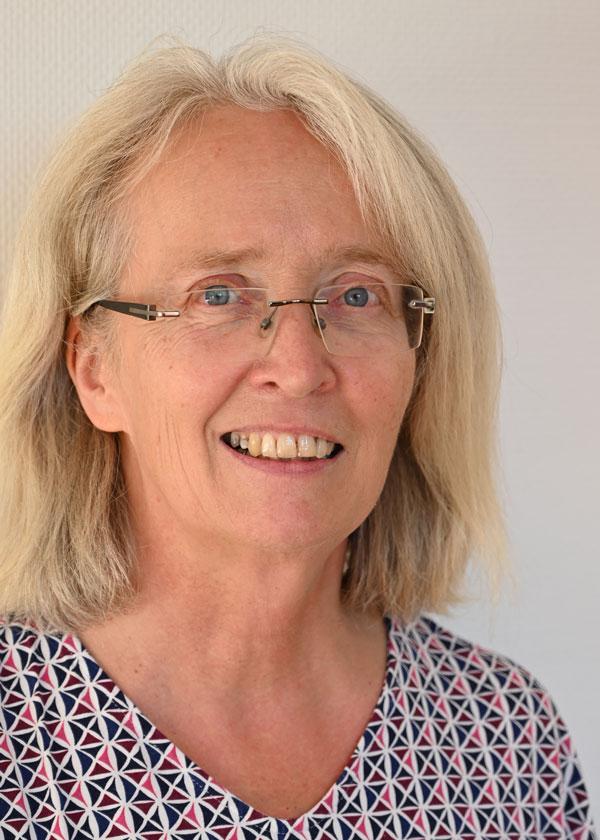
"The APW is important for providing a platform for those affected and specialists. That is why I am committed to a diverse and vibrant organization."
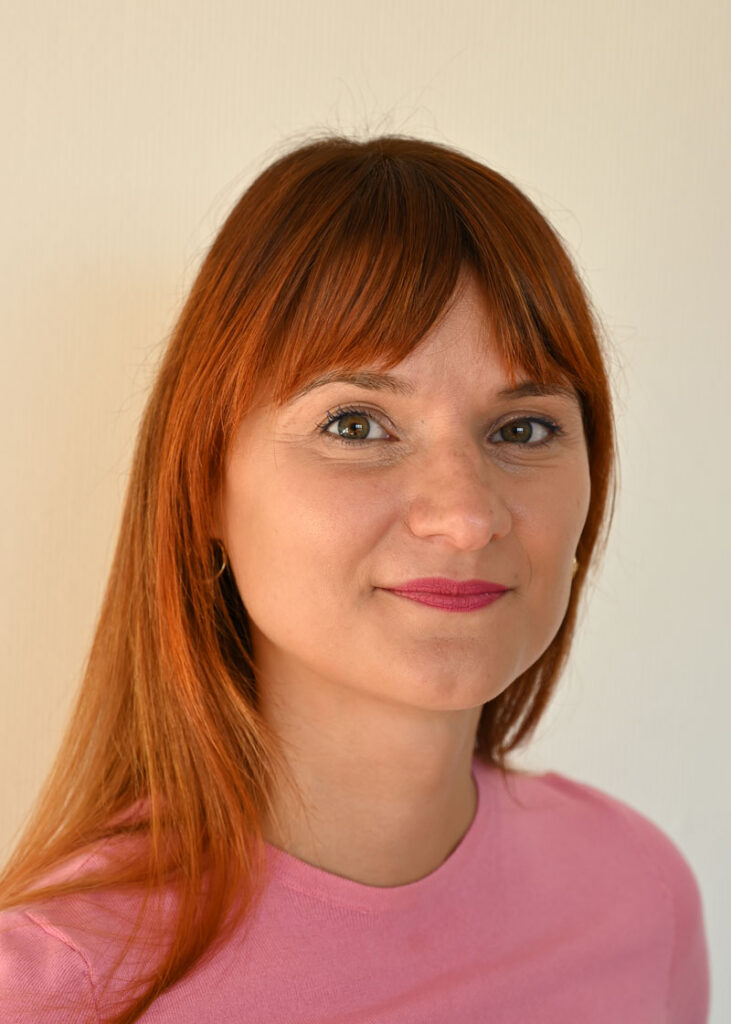
"As a speech therapist specializing in perceptual disorders, I experience every day how central guided interaction is for development and communication. The APW offers me opportunities for further training and a committed network that enriches my work and effectively supports those affected."
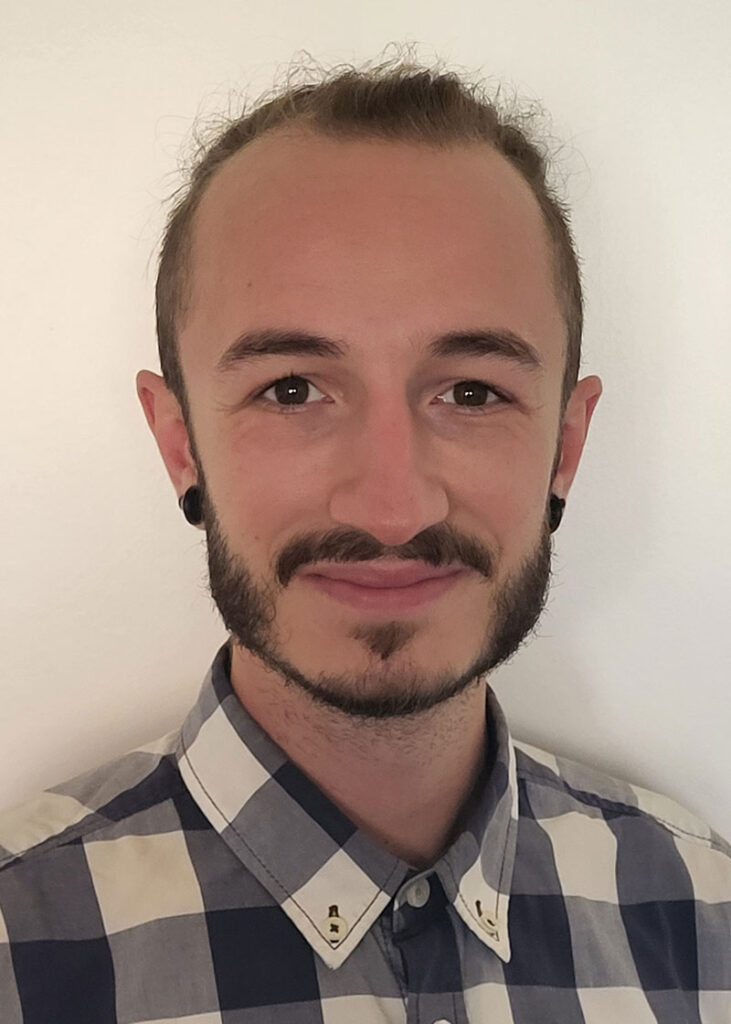
"Affolter therapy supports me in my daily work and helps my clients to improve their perceptual organization. I am involved in the board to guarantee quality assurance and support the dissemination of the model."
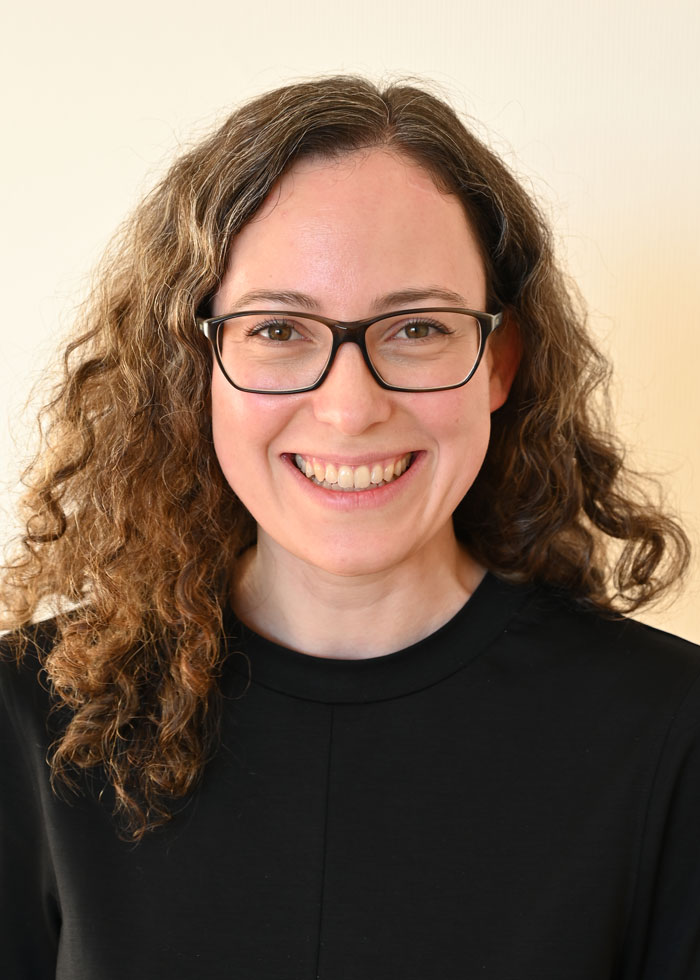
"I am involved in the Board of Directors to support the important work of the association from a legal perspective so that it can concentrate on its core tasks."

"Becoming a certified Affolter therapist and senior instructor has given me new perspectives as an educator in working with those affected. Sharing this knowledge and ensuring the quality of work within the APW are very important to me."
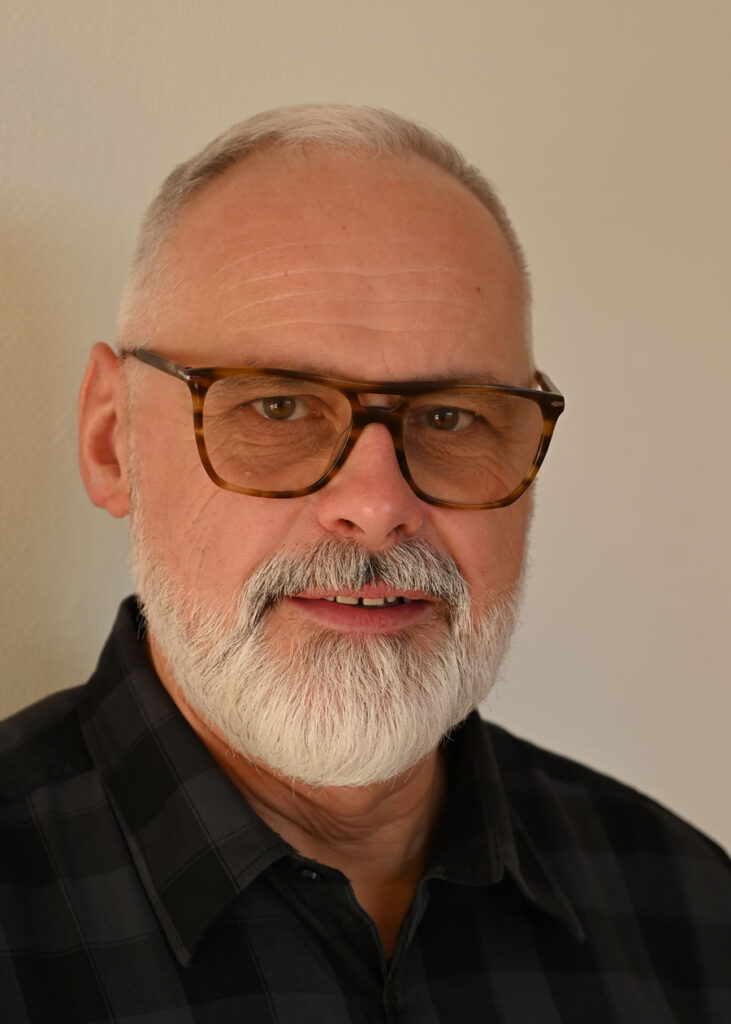
"The Affolter Model® enables me to better understand people with brain injuries and their learning abilities in everyday life. I am involved with the APW so that I can pass on my experience to others under the best possible conditions."

"My main goal is to help relatives and those affected manage everyday life with less stress. The APW network is an invaluable support in this."
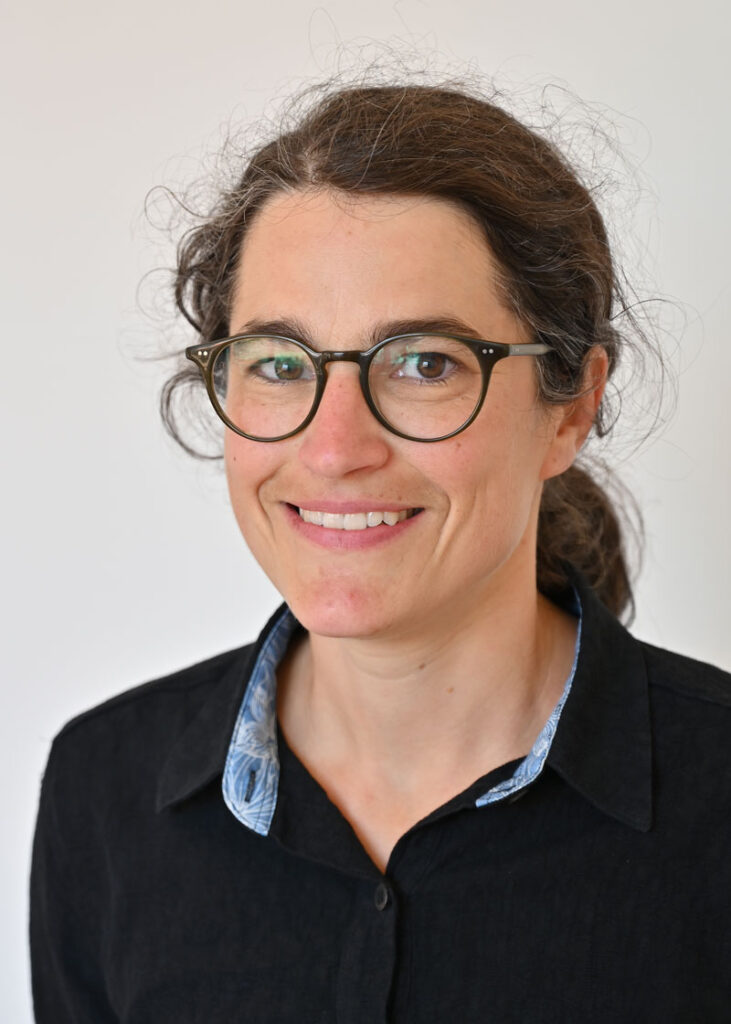
"I am continually fascinated by the versatile and practical everyday applications of the Affolter Model®. It is important to me to make the effectiveness of this therapeutic method visible and to contribute to the further development and dissemination of the model."
Department descriptions
The APW organizes its work into various departments to achieve its goals efficiently. Each department takes on specific responsibilities, contributing to our shared success.
- Coordinating communication between volunteers and professionals
- Defining "policy" of the APW in cooperation with the other departments
- Making decisions and representing APW
- Supporting and supervising the application of the model’s therapeutic principles across all areas
- Building a sustainable network of specialists
- Further developing the Affolter Model® in practice and theory through scientific work
- Engaging in professional dialogue with other therapeutic approaches
- Coordinating practice and research
- Presenting the Affolter Model® to different target groups
- Representing the concept externally through advertising, media work, course announcements, and branding
- Advocating for the needs of people with perception impairments and/or autism
- Representing and enforcing APW’s rights with third parties
- Securing legal recognition of the model by third parties, thereby improving the integration of people with sensory impairments
- Reviewing contracts and documents that are binding for the APW
- Developing strategies to secure long-term financial resources for the APW and its activities
- Building sustainable partnerships with organizations and institutions that support the APW both ideologically and financially
- Showcasing the social benefits of the Affolter Model® to foster innovative connections with funding sources
- Creating a structure that allows relatives to express their concerns and have them addressed within the APW (with a board member acting as their representative)
- Developing and implementing initiatives for engaging with relatives
- Serving as a contact point for relatives’ questions and concerns
- Developing a financial plan for the APW in line with the needs of each department and available resources
- Preparing the current budget and processing additional funding requests
- Managing invoices and compiling the annual financial statements
- Creating a structure that allows therapists to express their concerns and have them addressed within the APW (with a board member acting as their representative)
- Developing and implementing initiatives for therapist work
- Implementation of teaching for all areas of life
- Bringing practical experience with the Affolter Model® to the Board and contributing ideas for discussion